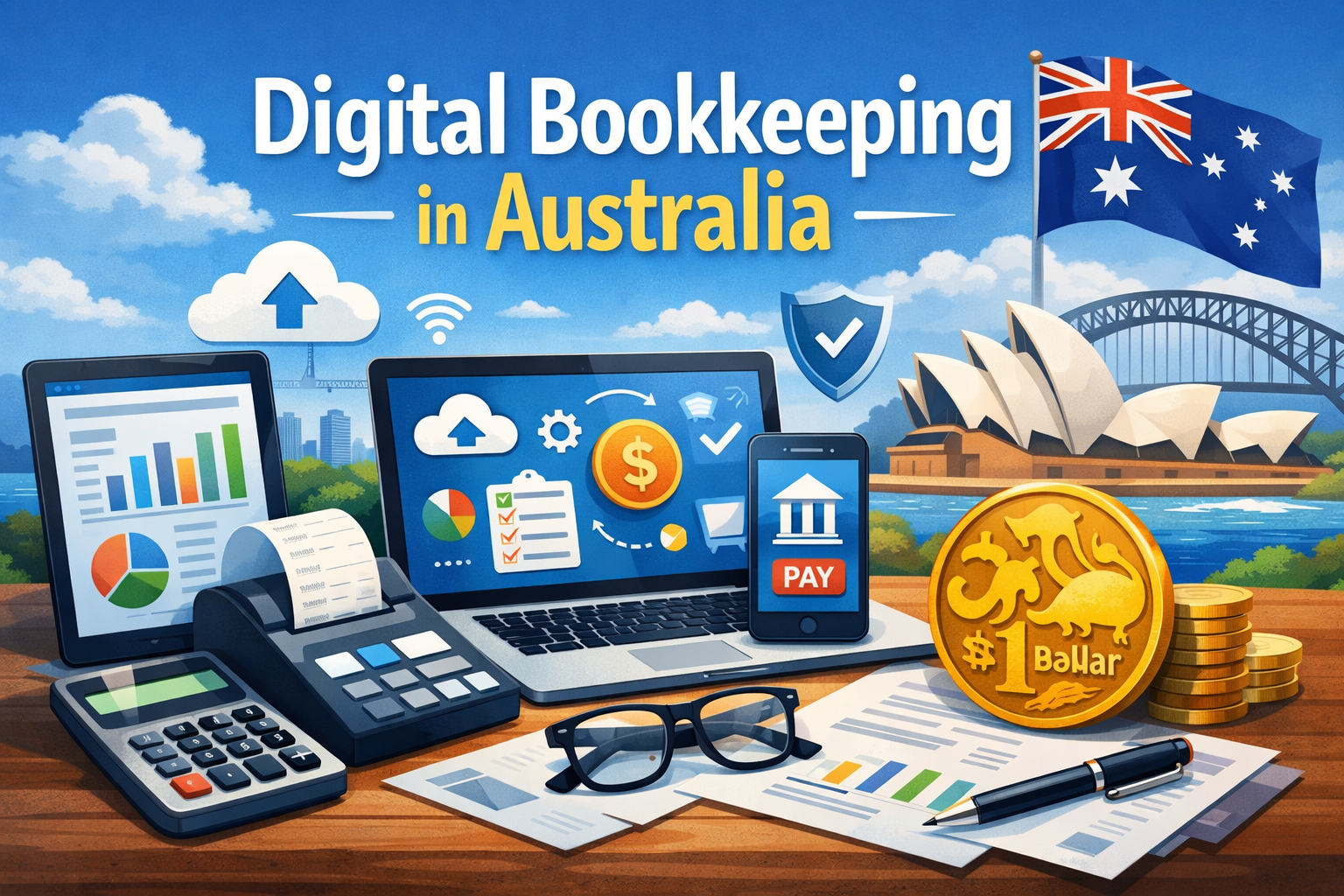
Digital Bookkeeping in Australia: Why Manual Records Are Dying

• April 16, 2026

Featured Image

The way Australian businesses manage their finances is rapidly evolving. Traditional paper-based bookkeeping—once the backbone of financial record-keeping—is now being replaced by faster, smarter, and more efficient digital systems.

From small businesses in Sydney to growing enterprises across NSW and beyond, digital bookkeeping in Australia is becoming the new standard. With compliance requirements tightening and businesses demanding real-time insights, manual record-keeping is quickly becoming outdated.

At W Advisory, we help businesses transition from outdated processes to streamlined digital systems that support growth, accuracy, and compliance.

What Is Digital Bookkeeping?

Digital bookkeeping involves using cloud-based software and online tools to record, track, and manage financial transactions.

Instead of:

  • Paper receipts
  • Manual spreadsheets
  • Physical ledgers

Businesses now use platforms that:

  • Automatically record transactions
  • Sync with bank accounts
  • Generate real-time financial reports

This shift is not just about convenience—it’s about staying competitive and compliant.

Why Manual Bookkeeping Is Becoming Obsolete

Manual bookkeeping is declining due to several limitations that modern businesses can no longer afford.

1. Time-Consuming Processes

Manual data entry requires significant time and effort, increasing operational costs.

2. Higher Risk of Errors

Human error in calculations and data entry can lead to costly mistakes.

3. Lack of Real-Time Insights

Manual systems cannot provide up-to-date financial data, making decision-making slower.

4. Storage and Organisation Issues

Physical records can be lost, damaged, or difficult to manage.

5. Compliance Challenges

With Australian Taxation Office (ATO) requirements becoming stricter, manual systems often fall short.

Digital Bookkeeping in Australia Requirements

To operate efficiently and remain compliant, businesses must meet certain digital bookkeeping in Australia requirements.

Key requirements include:

  • Maintaining accurate and complete financial records
  • Keeping records for at least five years
  • Ensuring data is secure and accessible
  • Using software that complies with ATO standards (e.g., Single Touch Payroll, GST reporting)

Cloud-based bookkeeping systems help businesses meet these requirements more easily and efficiently.

Rise of Virtual Bookkeeping in Australia

One of the biggest trends in recent years is the growth of virtual bookkeeping in Australia.

Instead of hiring in-house staff, businesses are now working with:

  • Virtual bookkeepers
  • Remote accounting teams
  • Online financial service providers

This shift allows businesses in cities like Sydney, Melbourne, and across NSW to access expert support without geographical limitations.

What Is a Virtual Bookkeeper Online?

A virtual bookkeeper online manages your financial records remotely using digital tools and cloud-based software.

Services typically include:

  • Transaction recording and reconciliation
  • BAS and GST preparation
  • Payroll processing
  • Financial reporting
  • Expense tracking

Virtual bookkeepers provide flexibility, scalability, and access to expertise without the cost of full-time employees.

Benefits of Digital and Virtual Bookkeeping

1. Real-Time Financial Insights

Business owners can access up-to-date financial data anytime, anywhere.

2. Improved Accuracy

Automation reduces human error and ensures more reliable records.

3. Cost Efficiency

Virtual bookkeeping services are often more affordable than in-house staff.

4. Better Compliance

Digital systems help meet ATO requirements and reduce audit risks.

5. Scalability

As your business grows, digital systems can easily adapt to increased complexity.

Best Digital Bookkeeping in Australia: What to Look For

Choosing the best digital bookkeeping in Australia depends on your business needs.

Key features to consider:

  • Cloud-based access
  • Integration with bank accounts and payment systems
  • Automated reporting
  • ATO compliance features
  • User-friendly interface

Popular platforms include:

  • Xero
  • MYOB
  • QuickBooks

Working with experienced advisors like W Advisory ensures you select and implement the right system for your business.

Why Businesses in Sydney and NSW Are Leading the Shift

Major business hubs like Sydney and across NSW are at the forefront of digital transformation.

Reasons include:

  • High competition requires efficiency
  • Increased regulatory compliance
  • Adoption of cloud technology
  • Demand for remote work solutions

Businesses that adopt digital bookkeeping early gain a competitive advantage through:

  • Faster decision-making
  • Better financial control
  • Reduced operational costs

Challenges When Transitioning to Digital Bookkeeping

While the benefits are clear, transitioning from manual to digital systems can come with challenges:

1. Initial Setup and Migration

Moving data from paper or spreadsheets to digital platforms requires planning.

2. Learning Curve

Business owners and staff may need training on new systems.

3. Data Security Concerns

Choosing secure, reputable software is essential.

4. Choosing the Right Provider

Not all virtual bookkeepers offer the same level of expertise.

With the right support, these challenges can be managed effectively.

How W Advisory Supports Digital Bookkeeping

At W Advisory, we specialise in helping Australian businesses transition to efficient, compliant digital systems.

Our services include:

  • Set up and migration to cloud-based platforms
  • Ongoing bookkeeping and reporting
  • Virtual bookkeeping services
  • Compliance support with ATO requirements
  • Tailored solutions for businesses across Sydney and NSW

We focus on making your financial processes simpler, more accurate, and future-ready.

Final Thoughts

Digital bookkeeping is no longer optional—it’s essential for modern businesses in Australia.

As manual record-keeping becomes outdated, businesses that embrace digital tools and virtual bookkeepers gain:

  • Efficiency
  • Accuracy
  • Compliance
  • Better financial visibility

Whether you’re a small business owner or scaling enterprise, now is the time to move towards smarter bookkeeping solutions.

Frequently Asked Questions (FAQs)

1. What is digital bookkeeping in Australia?

Digital bookkeeping involves using cloud-based software to manage financial records, automate transactions, and ensure compliance with ATO requirements.

2. What are the digital bookkeeping in Australia requirements?

Businesses must maintain accurate records, store data securely for at least five years, and comply with ATO systems like GST reporting and Single Touch Payroll.

3. What is virtual bookkeeping in Australia?

Virtual bookkeeping allows businesses to outsource financial record management to remote professionals using online tools.

4. How does a virtual bookkeeper online work?

A virtual bookkeeper manages your accounts remotely, handling tasks like reconciliation, reporting, and compliance using cloud-based systems.

5. Is digital bookkeeping better than manual bookkeeping?

Yes, digital bookkeeping offers greater accuracy, efficiency, real-time insights, and easier compliance compared to manual methods.

6. What is the best digital bookkeeping in Australia?

Popular options include Xero, MYOB, and QuickBooks, but the best choice depends on your business needs and structure.

7. Are virtual bookkeepers reliable?

Yes, professional virtual bookkeepers are highly reliable and often more cost-effective than in-house staff when working with trusted providers.

8. Can small businesses use digital bookkeeping?

Absolutely. Digital bookkeeping is especially beneficial for small businesses as it saves time, reduces errors, and improves financial management.

Disclaimer

This content is for general informational purposes only and does not constitute financial, accounting, or legal advice. Bookkeeping requirements and solutions may vary depending on your business structure and circumstances. We recommend consulting with a qualified advisor or bookkeeping professional before making decisions related to your financial systems.

Other Blogs

Does a Sole Trader Need an Accountant

Does a Sole Trader Need an Accountant? 5 Signs It’s Time to Hire

As a sole trader in 2026, you’re not just running a business—you’re managing everything from client work to admin, compliance, and finances. It’s common for many business owners to ask: does a sole trader need an accountant, or can I manage everything myself? At W Advisory, we work with sole traders across Sydney who start …

tax compliance Australia

Tax Compliance for Businesses in Australia

Operating a business in Australia involves more than delivering products or services. Businesses must also meet a range of tax compliance obligations set by the Australian Taxation Office (ATO). From reporting income to paying taxes on time, maintaining proper tax compliance is essential to avoid penalties, maintain financial transparency, and ensure the long-term stability of …

Bookkeeping Services for Small Business

How Do Bookkeeping Services Help Small Businesses?

Running a small business requires balancing many responsibilities, including managing clients and employees, handling finances, and meeting compliance requirements. One area that often becomes challenging for business owners is bookkeeping. Accurate bookkeeping is essential for tracking income, monitoring expenses, preparing tax returns, and ensuring compliance with financial regulations. At W Advisory, we support small businesses …

Featured Image
We will help business owners and
professionals overcome the burden of
poor tax advice, and inefficient structures

by delivering tailored strategies
that are compliant, minimise tax
and are structured to create
generational wealth.