1. What is digital bookkeeping in Australia?
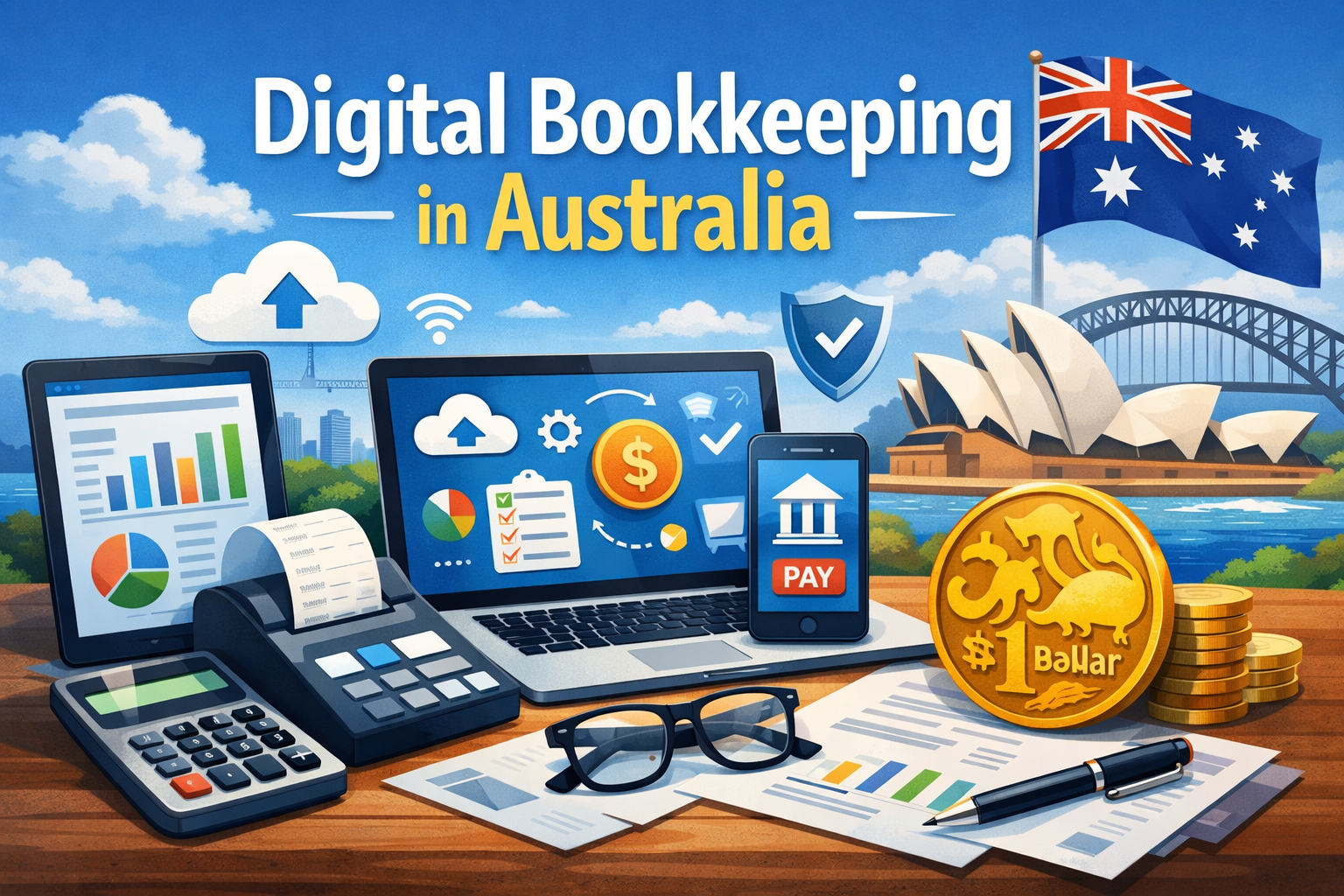
Digital bookkeeping involves using cloud-based software to manage financial records, automate transactions, and ensure compliance with ATO requirements.
2. What are the digital bookkeeping in Australia requirements?
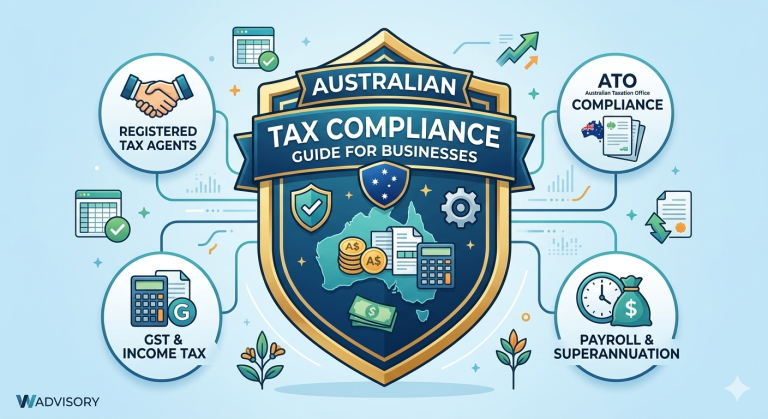
Businesses must maintain accurate records, store data securely for at least five years, and comply with ATO systems like GST reporting and Single Touch Payroll.
3. What is virtual bookkeeping in Australia?
Virtual bookkeeping allows businesses to outsource financial record management to remote professionals using online tools.
4. How does a virtual bookkeeper online work?
A virtual bookkeeper manages your accounts remotely, handling tasks like reconciliation, reporting, and compliance using cloud-based systems.
5. Is digital bookkeeping better than manual bookkeeping?
Yes, digital bookkeeping offers greater accuracy, efficiency, real-time insights, and easier compliance compared to manual methods.
6. What is the best digital bookkeeping in Australia?
Popular options include Xero, MYOB, and QuickBooks, but the best choice depends on your business needs and structure.
7. Are virtual bookkeepers reliable?
Yes, professional virtual bookkeepers are highly reliable and often more cost-effective than in-house staff when working with trusted providers.
8. Can small businesses use digital bookkeeping?
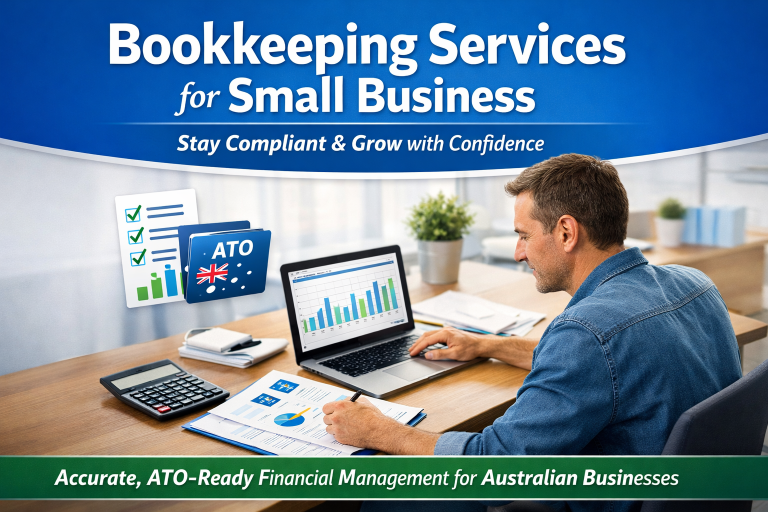
Absolutely. Digital bookkeeping is especially beneficial for small businesses as it saves time, reduces errors, and improves financial management.