
Does a Sole Trader Need an Accountant? 5 Signs It’s Time to Hire

• April 15, 2026

Featured Image

Introduction

As a sole trader in 2026, you’re not just running a business—you’re managing everything from client work to admin, compliance, and finances. It’s common for many business owners to ask: does a sole trader need an accountant, or can I manage everything myself?

At W Advisory, we work with sole traders across Sydney who start off handling their own bookkeeping and tax, but quickly realise that DIY accounting can become time-consuming, risky, and costly as the business grows.

With evolving ATO compliance requirements, increasing digital reporting expectations, and more complex tax obligations, having the right financial support is no longer just helpful—it’s strategic.

In this guide, we’ll walk you through five clear signs that it’s time to move beyond DIY and invest in professional accounting services, and how the right accountant can help you stay compliant, save money, and scale confidently.

You’re Unsure About Tax Compliance and ATO Requirements

One of the biggest reasons sole traders seek accounting services is uncertainty around compliance.

In Australia, sole traders must:

  • Lodge an annual income tax return
  • Register for GST if turnover exceeds $75,000
  • Lodge Business Activity Statements (BAS) regularly
  • Track income, expenses, and deductions accurately

In 2026, the ATO has increased its focus on data matching, digital reporting, and audit triggers, making errors more visible than ever.

If you’re asking:

  • “Am I claiming the right deductions?”
  • “Have I calculated GST correctly?”
  • “Am I lodging everything on time?”

…it’s a strong sign you need professional support.

At W Advisory, we ensure your financial records are accurate, your obligations are met, and your business stays compliant; so you avoid penalties and unnecessary stress.

You’re Relying Only on Bookkeeping Software

Many sole traders believe that using Xero, MYOB, or QuickBooks eliminates the need for an accountant. While these tools are powerful, they are only as effective as the person using them.

Bookkeeping services and software help you:

  • Track transactions
  • Reconcile accounts
  • Generate reports

But they don’t:

  • Provide tax strategy
  • Ensure compliance accuracy
  • Identify financial risks or opportunities

This is where the difference between a bookkeeper and an accountant becomes critical.

A bookkeeper manages your day-to-day records.
An accountant interprets that data, ensures compliance, and helps you make smarter financial decisions.

If you’re already working with Sydney bookkeepers but still feel unsure about your numbers, it’s time to bring an accountant into the picture.

You’re Spending Too Much Time on Finances Instead of Growing Your Business

Time is one of your most valuable assets as a sole trader.

If you’re spending hours each week:

  • Reconciling transactions
  • Managing invoices
  • Preparing for BAS or tax lodgements
  • Trying to understand reports

…it’s costing you more than you realise.

In 2026, efficiency is everything. The most successful sole traders are those who focus on revenue-generating activities while outsourcing financial management to experts.

At W Advisory, we often see clients reclaim 5–10 hours per week by outsourcing their accounting and bookkeeping services. That’s time that can be reinvested into:

  • Winning new clients
  • Improving services
  • Scaling operations

If your finances are taking up too much of your time, it’s a clear signal that you need support.

You Don’t Have Clear Visibility of Your Profit

A common misconception among sole traders is using their bank balance as a measure of success.

But your bank balance doesn’t show:

  • Tax liabilities
  • GST obligations
  • Outstanding expenses
  • True profit margins

This can lead to situations where you feel financially secure; until a large tax bill arrives.

An accountant provides clarity through:

  • Profit & Loss (P&L) reports
  • Cash flow forecasting
  • Tax planning insights

At W Advisory, we help sole traders understand:

  • What they’re actually earning
  • Where money is being lost
  • How to improve profitability

Without this insight, it’s difficult to make informed decisions or grow sustainably.

Your Business Is Growing or Becoming More Complex

Growth is a great sign; but it also introduces new challenges.

As your business expands, you may encounter:

  • Higher turnover and GST obligations
  • Contractor or employee payments
  • PAYG withholding requirements
  • Increased ATO scrutiny
  • More complex expense structures

What worked when you first started as a sole trader may no longer be sufficient.

In 2026, scaling a business requires structured financial systems and proactive tax planning.

Our accounting services at W Advisory are designed to grow with your business, ensuring:

  • Your systems remain efficient
  • Your compliance is maintained
  • Your tax position is optimised

This is often the turning point where sole traders transition from DIY to professional financial management.

Bonus: What We Do for Sole Traders at W Advisory

If you’re wondering what an accountant actually does beyond basic bookkeeping, here’s how we support our clients:

Tax Planning & Lodgement

We don’t just lodge your tax—we plan ahead to minimise it legally and strategically.

BAS & GST Management

We ensure your BAS is accurate, on time, and aligned with ATO requirements.

Financial Reporting & Insights

We provide clear reports that help you understand your business performance.

Business Structuring Advice

As your business grows, we guide you on whether remaining a sole trader is still the best option.

Collaboration with Bookkeepers

We work alongside your bookkeeper (or provide integrated bookkeeping services) to ensure everything is aligned.

Bookkeeper vs Accountant: Do You Need Both?

This is one of the most common questions we get.

Here’s the simple breakdown:

  • Bookkeeper: Manages daily financial records and transactions
  • Accountant: Provides strategy, compliance, and financial advice

In many cases, sole traders benefit from having both:

  • A bookkeeper for ongoing data management
  • An accountant for oversight and decision-making

At W Advisory, we offer both bookkeeping services and accounting support, giving you a complete financial solution without the need to manage multiple providers.

How to Choose the Right Accountant in Sydney

Not all accountants offer the same level of service. When choosing one, consider:

Experience with Sole Traders

Your accountant should understand the unique challenges of running a sole trader business.

Local Expertise

Working with Sydney bookkeepers and accountants ensures knowledge of local regulations and market conditions.

Technology & Cloud Accounting

They should be proficient in tools like Xero and MYOB for seamless integration.

Proactive Advice

A good accountant doesn’t just react; they guide you forward.

At W Advisory, we pride ourselves on being proactive partners in your business, not just service providers.

Conclusion

So, does a sole trader need an accountant in 2026?

The answer depends on your situation; but if you’re experiencing any of the signs above, the answer is likely yes.

At a certain point, DIY bookkeeping and tax management stop being efficient and start holding your business back.

Working with an accountant isn’t just about compliance—it’s about:

  • Saving time
  • Reducing risk
  • Improving profitability
  • Supporting growth

At W Advisory, we help sole traders across Sydney simplify their finances and build stronger, more sustainable businesses.

Frequently Asked Questions

Do I need a bookkeeper as a sole trader?

Not always; but as your business grows, bookkeeping becomes more complex and time-consuming. Many sole traders choose to outsource bookkeeping services to save time and ensure accuracy.

Can a sole trader manage their own accounting?

Yes, but it requires time, knowledge, and attention to compliance. As your business grows, professional accounting services often become more efficient and cost-effective.

How much do accounting services cost in Australia?

Costs vary depending on the complexity of your business. Many sole traders choose fixed monthly packages that include bookkeeping, BAS, and tax support.

What’s the difference between Sydney bookkeepers and accountants?

Sydney bookkeepers manage daily financial transactions, while accountants focus on tax, compliance, and strategic financial advice.

When should I hire an accountant as a sole trader?

You should consider hiring an accountant when:

  • Your revenue is increasing
  • Your tax obligations become complex
  • You’re unsure about compliance
  • You want to scale your business

Other Blogs

Digital bookkeeping in Australia

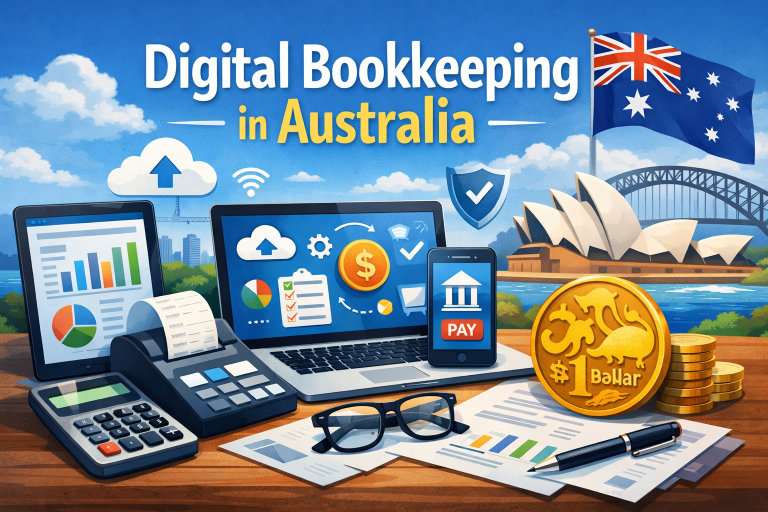
Digital Bookkeeping in Australia: Why Manual Records Are Dying

The way Australian businesses manage their finances is rapidly evolving. Traditional paper-based bookkeeping—once the backbone of financial record-keeping—is now being replaced by faster, smarter, and more efficient digital systems. From small businesses in Sydney to growing enterprises across NSW and beyond, digital bookkeeping in Australia is becoming the new standard. With compliance requirements tightening and …

tax compliance Australia

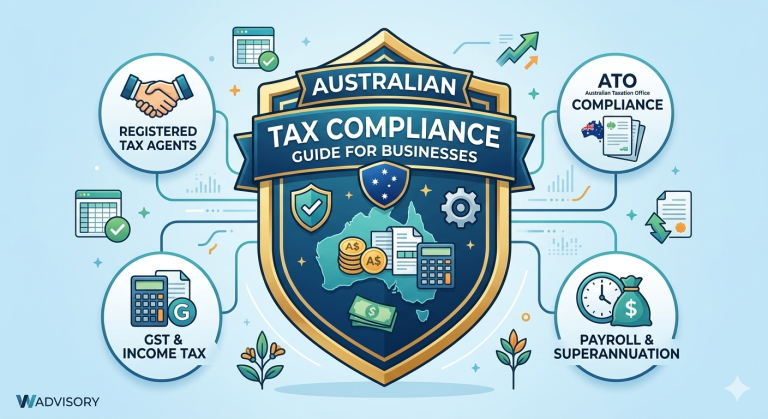
Tax Compliance for Businesses in Australia

Operating a business in Australia involves more than delivering products or services. Businesses must also meet a range of tax compliance obligations set by the Australian Taxation Office (ATO). From reporting income to paying taxes on time, maintaining proper tax compliance is essential to avoid penalties, maintain financial transparency, and ensure the long-term stability of …

Bookkeeping Services for Small Business

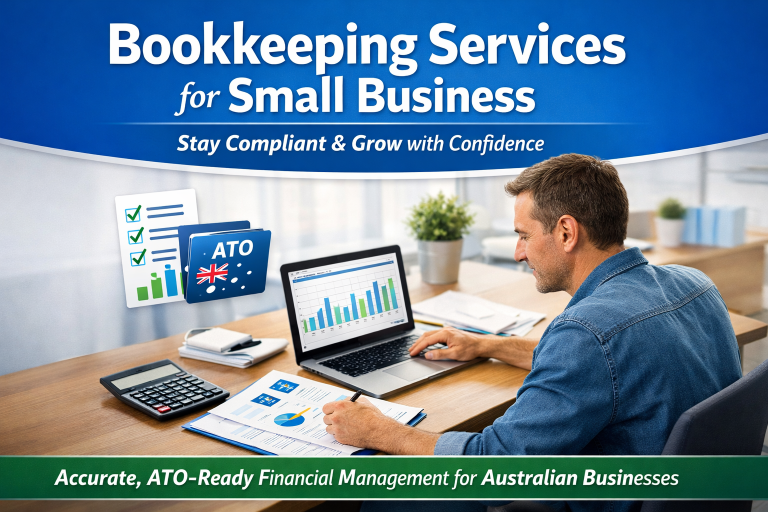
How Do Bookkeeping Services Help Small Businesses?

Running a small business requires balancing many responsibilities, including managing clients and employees, handling finances, and meeting compliance requirements. One area that often becomes challenging for business owners is bookkeeping. Accurate bookkeeping is essential for tracking income, monitoring expenses, preparing tax returns, and ensuring compliance with financial regulations. At W Advisory, we support small businesses …

Featured Image
We will help business owners and
professionals overcome the burden of
poor tax advice, and inefficient structures

by delivering tailored strategies
that are compliant, minimise tax
and are structured to create
generational wealth.