...

EOFY 2026 Tax Return Tips: Lodge Early & Avoid Errors

• March 17, 2026

Featured Image

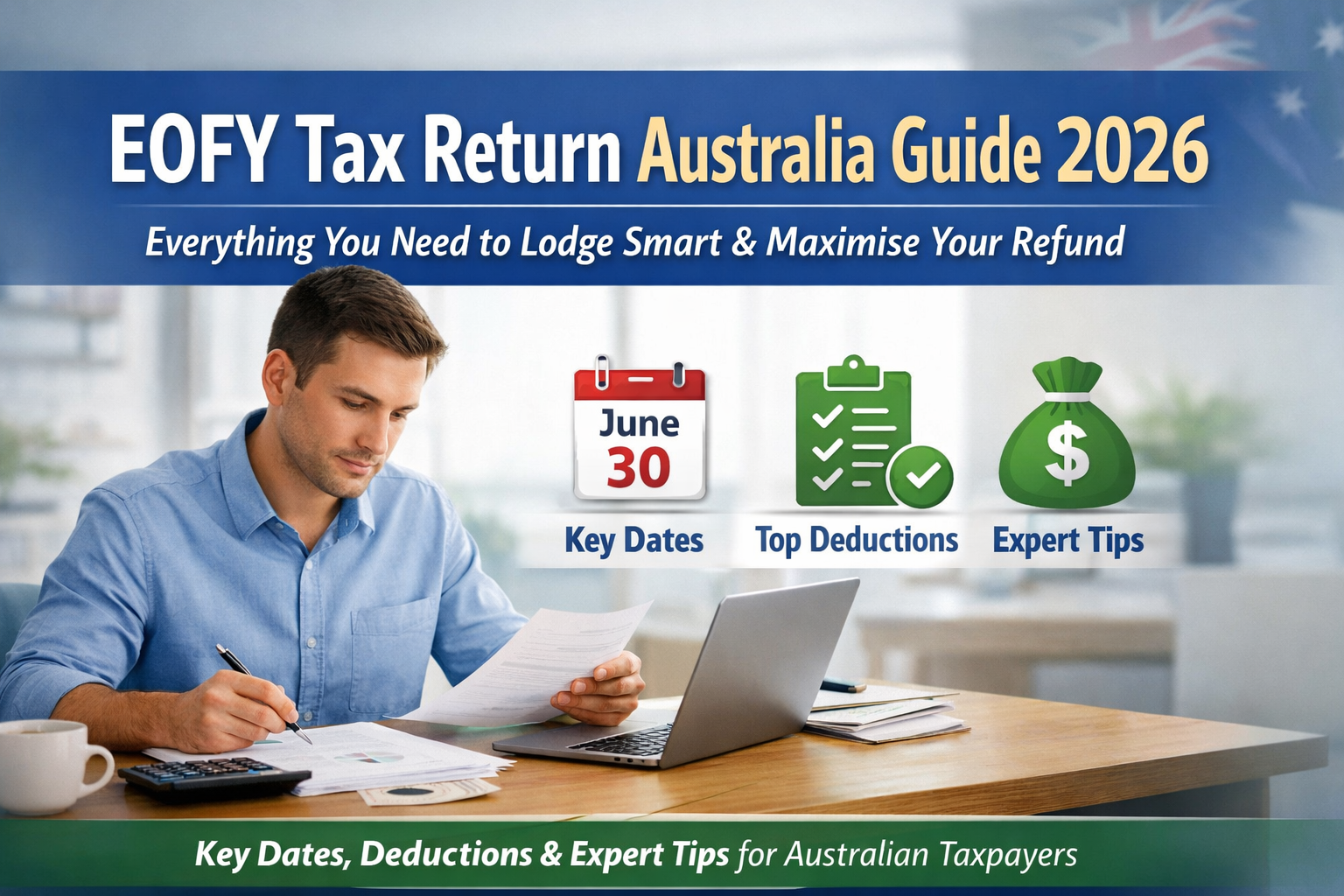
The end of the financial year (EOFY) in Australia falls on 30 June 2026, marking a key milestone for individuals, freelancers, and businesses preparing their tax returns.

For many Australians, EOFY is not just about compliance with the Australian Taxation Office (ATO). It is also an opportunity to ensure financial records are accurate, claim legitimate deductions, and potentially maximise tax refunds.

Whether you are an employee lodging an individual tax return in Australia, a freelancer managing business income, or a small business owner with more complex financial records, preparing early can make the entire process smoother.

At W Advisory, we work with individuals and businesses across Australia to help them organise their records, lodge correctly, and minimise errors that could delay refunds or trigger ATO reviews.

In this guide, we explain how to prepare for EOFY 2026, lodge your tax return early, and avoid common mistakes.

Why Early EOFY Preparation Matters

Many taxpayers wait until the last minute to prepare their tax return, which can lead to rushed decisions and missing documentation.

Preparing early allows us to review financial records carefully and identify opportunities to optimise tax outcomes.

Reduce Stress and Avoid Errors

When tax returns are rushed, simple mistakes can occur. These may include missing income sources, entering incorrect figures, or claiming deductions that cannot be supported with records.

Taking time to prepare allows us to double-check information and ensure everything aligns with ATO requirements.

Maximise Legitimate Tax Deductions

Many Australians overlook deductions simply because they do not track expenses throughout the year.

Keeping organised records helps identify allowable deductions such as:

  • Work-related expenses
  • Investment costs
  • Professional subscriptions
  • Business expenses

When these records are available before lodgment, it becomes much easier to claim all eligible deductions correctly.

Improve Tax Refund Timing

Early preparation means we can lodge the return as soon as the information becomes ATO “tax ready.”

If a refund is due, early lodgment may result in receiving it sooner, while avoiding potential delays during peak lodgment periods.


Who Needs to Prepare for EOFY 2026

Most Australians who earn income during the financial year will have EOFY tax obligations.

Employees and Individuals

Anyone receiving:

  • Wages or salary
  • Investment income, such as dividends or interest
  • Rental income
  • Government benefits

will usually need to lodge an individual tax return in Australia.

Individuals with multiple income streams or investments may need additional documentation.

Freelancers and Sole Traders

Contractors, freelancers, and sole traders must record all business income and expenses during the financial year.

This includes:

  • Invoices issued to clients
  • Business expenses and receipts
  • Equipment purchases
  • GST records if registered

Accurate bookkeeping helps ensure that income and deductions are reported correctly.

Small Businesses

Small business owners must ensure their financial records are up to date before EOFY.

This may involve:

  • Reconciling bookkeeping records
  • Confirming payroll and PAYG withholding
  • Reviewing Business Activity Statements (BAS)
  • Recording asset purchases and depreciation

Proper preparation helps avoid compliance issues and ensures accurate tax returns.

Employers

Businesses with employees must also finalise payroll information and report wages correctly.

Employers must ensure:

  • PAYG withholding is reported accurately
  • Superannuation contributions are up to date
  • Payroll records are finalised for the financial year

Meeting these obligations helps ensure compliance with ATO reporting requirements.

Important EOFY 2026 Tax Deadlines

Knowing the key lodgment deadlines helps avoid late penalties.

Individual Tax Returns

If you lodge your own return, the typical deadline is 31 October 2026.

However, taxpayers using a registered tax agent may receive extended lodgment dates, provided they are registered with the agent before the October deadline.

Businesses and Sole Traders

Business tax return deadlines often align with a tax agent’s lodgment schedule.

Quarterly or monthly Business Activity Statements (BAS) must also be lodged according to the reporting cycle.

PAYG Reporting

Employers must ensure all PAYG withholding and payroll information is reported correctly.

Late submissions may result in penalties or interest charges.

Preparing Your Tax Return Step-by-Step

Breaking the EOFY preparation process into clear steps makes it much easier.

Step 1: Gather Income Records

Before lodging, collect records for all income sources during the financial year.

These may include:

  • Income statements from employers
  • Bank interest statements
  • Dividend statements
  • Rental income records
  • Freelance or business income
  • Capital gains from asset sales

Ensuring these figures are accurate reduces the risk of errors.

Step 2: Identify Eligible Deductions

Taxpayers may claim deductions for expenses directly related to earning income.

Common examples include:

  • Work-related equipment or tools
  • Self-education expenses related to employment
  • Home office running costs
  • Professional memberships

These deductions must be supported with receipts or records.

Step 3: Choose a Lodgment Method

Australians can lodge their tax return in several ways:

  • Online through myGov linked to the ATO
  • Using ATO-approved tax software
  • Through a registered tax agent

While self-lodgment is convenient, professional guidance can help identify additional deductions and avoid errors.

Step 4: Review Your Return Carefully

Before submitting, verify all figures.

Common errors include:

  • Incorrect income amounts
  • Missing income sources
  • Claiming deductions without evidence
  • Entering incorrect personal details

Carefully reviewing the return reduces the likelihood of needing amendments later.

EOFY 2026 Tax Return Checklist

A structured checklist helps ensure nothing is overlooked.

Income Records

  • Salary or wage statements
  • Bank interest summaries
  • Dividend income statements
  • Rental property income
  • Freelance or business earnings

Expense Documentation

  • Work-related expense receipts
  • Business invoices and purchases
  • Home office expenses
  • Vehicle logbooks for claiming travel
  • Asset depreciation records

Compliance Records

  • BAS statements for businesses
  • PAYG withholding reports
  • Superannuation documentation

Keeping digital copies of these records makes EOFY preparation easier each year.

Maximising Your Tax Refund in Australia

While compliance is essential, EOFY is also an opportunity to ensure taxpayers claim every legitimate deduction.

Commonly Overlooked Deductions

Some deductions that taxpayers often miss include:

  • Home office running costs
  • Professional memberships or union fees
  • Work-related digital subscriptions
  • Investment property expenses

Maintaining organised records throughout the year helps ensure these deductions are not missed.

Tax Offsets

Tax offsets may reduce the amount of tax payable.

These can vary depending on factors such as income level, age, and eligibility for specific government programs.

Understanding these offsets can sometimes increase a tax refund.

Common Tax Return Mistakes to Avoid

The ATO identifies several frequent mistakes made by taxpayers each year.

These include:

  • Incorrect income reporting
  • Claiming personal expenses as deductions
  • Missing documentation
  • Lodging late without approval

Such errors may trigger ATO reviews or delay refunds.

Preparing carefully helps reduce these risks.

Final Thoughts

Preparing for EOFY 2026 tax returns in Australia requires planning, accurate records, and awareness of deadlines.

Individuals, freelancers, and businesses can all benefit from organising documents early, carefully reviewing deductions, and lodging accurate tax returns.

At W Advisory, we assist clients across Australia with EOFY preparation, tax return lodgment, and strategic tax planning to ensure compliance while maximising legitimate deductions.

Starting early not only reduces stress but also helps ensure your tax return is accurate, efficient, and aligned with ATO requirements.

FAQs

Is it better to lodge my tax return early in Australia?

Lodging early can help you receive refunds sooner, but it is important to ensure all income statements and financial records are marked tax-ready before submitting your return.


Do I need to declare foreign income on my Australian tax return?

Yes. Australian residents for tax purposes must declare worldwide income, including foreign salary, dividends, or property earnings.


Can I amend my tax return after lodgment?

Yes. If an error is discovered, you can request an amendment through the ATO. Most individuals have up to two years to amend their return.


How does ATO pre-fill information in myGov?

The ATO automatically pre-fills information such as salary, bank interest, and dividends from third-party data sources. However, taxpayers must still verify the accuracy of this information before lodging.

Other Blogs

Digital bookkeeping in Australia

Digital Bookkeeping in Australia: Why Manual Records Are Dying

The way Australian businesses manage their finances is rapidly evolving. Traditional paper-based bookkeeping—once the backbone of financial record-keeping—is now being replaced by faster, smarter, and more efficient digital systems. From small businesses in Sydney to growing enterprises across NSW and beyond, digital bookkeeping in Australia is becoming the new standard. With compliance requirements tightening and …

Does a Sole Trader Need an Accountant

Does a Sole Trader Need an Accountant? 5 Signs It’s Time to Hire

As a sole trader in 2026, you’re not just running a business—you’re managing everything from client work to admin, compliance, and finances. It’s common for many business owners to ask: does a sole trader need an accountant, or can I manage everything myself? At W Advisory, we work with sole traders across Sydney who start …

Featured Image
We will help business owners and
professionals overcome the burden of
poor tax advice, and inefficient structures

by delivering tailored strategies
that are compliant, minimise tax
and are structured to create
generational wealth.

Seraphinite AcceleratorOptimized by Seraphinite Accelerator
Turns on site high speed to be attractive for people and search engines.